Bespoke Furniture Benefits
Spatial Precision
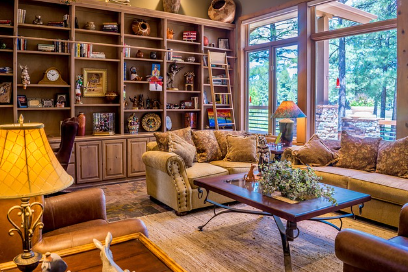
Custom furniture addresses exact spatial dimensions eliminating gaps, overhangs, and awkward proportions compromising interior aesthetics when utilizing standard retail furniture. Challenging architectural features including angled walls, sloped ceilings, and irregular floor plans receive furniture solutions specifically designed accommodating unique spatial characteristics transforming potential design obstacles into distinctive features. Alcoves, recesses, and underutilized spaces become functional storage or display areas through built-in furniture maximizing every square centimeter. Ceiling height variations influence furniture proportions ensuring appropriate scale relationships preventing oversized pieces overwhelming compact spaces or undersized furniture appearing insignificant within expansive rooms. Traffic flow optimization positions furniture facilitating natural movement patterns avoiding obstructions while defining functional zones within open-plan layouts. Custom dimensions accommodate doorway widths and staircase constraints ensuring furniture installation feasibility avoiding situations where retail furniture proves physically impossible to deliver into intended locations despite appearing suitable based on room dimensions alone.
Style Consistency
Bespoke design ensures perfect stylistic alignment with existing interior elements creating cohesive environments where furniture appears intentionally coordinated rather than assembled from disparate retail collections exhibiting conflicting design languages. Architectural details including moldings, trim profiles, and hardware styles inform furniture design decisions ensuring decorative consistency throughout spaces. Historical period authenticity becomes achievable when furnishing heritage properties requiring furniture respecting original architectural character while incorporating modern functionality. Contemporary minimalist aesthetics receive furniture emphasizing clean lines and geometric simplicity without extraneous ornamentation. Transitional styles blend traditional and modern elements through careful proportion and detail selection achieving timeless versatility. Material palettes coordinate with existing finishes including flooring, cabinetry, and millwork creating harmonious compositions. Hardware selections match door handles, plumbing fixtures, and lighting elements maintaining decorative continuity. Custom furniture enables stylistic evolution as tastes change through refinishing, reupholstering, or modification possibilities unavailable with composite construction typical of mass production.
Functional Tailoring
Individual lifestyle requirements receive furniture solutions addressing specific usage patterns rather than generic functional assumptions underlying retail furniture design. Storage compartments size appropriately for actual possessions avoiding wasted space from oversized compartments or inadequate capacity forcing external storage solutions. Technology integration accommodates contemporary needs including charging stations, cable management, and equipment mounting absent from traditional furniture designs. Hobby-specific requirements including craft storage, music equipment housing, or collection display receive specialized solutions impossible within standardized offerings. Accessibility features accommodate mobility limitations through appropriate heights, clearances, and hardware selections supporting independent living. Multi-functional designs maximize utility within limited spaces through convertible elements and hidden features. Child-safe considerations include rounded corners, tip-resistant construction, and non-toxic finishes. Pet accommodations integrate feeding stations, hiding spaces, and durable materials withstanding animal use. Seasonal adaptations through removable components or convertible configurations address changing needs throughout annual cycles.
Quality Investment
Superior construction methods and premium materials ensure furniture longevity justifying higher initial costs through extended useful life eliminating replacement expenses associated with disposable retail furniture. Solid wood construction throughout provides structural integrity and repair possibilities unlike composite materials degrading irreparably. Traditional joinery techniques create durable connections withstanding decades of use without loosening or failure. Kiln-dried lumber prevents warping and dimensional instability. Dovetail drawer construction resists pulling forces through mechanical interlocking. Mortise-and-tenon joints provide exceptional strength. Hand-applied finishes protect surfaces while enhancing natural beauty. Quality hardware ensures smooth operation throughout furniture lifespan. Reinforced construction accommodates heavy usage in commercial applications or active family environments. Modular designs enable future reconfiguration adapting to changing needs without complete replacement. Timeless styling avoids trendy elements dating furniture aesthetically. Repair-friendly construction facilitates maintenance and restoration extending functional life beyond typical retail furniture lifespans measured in years rather than generations.
Creative Expression
Custom furniture enables authentic self-expression through design choices reflecting individual personalities, interests, and values rather than conforming to manufacturer aesthetic decisions. Unique design elements distinguish homes from generic spaces filled with ubiquitous retail furniture lacking distinctive character. Material combinations create visual interest through thoughtful contrasts including wood species variations, metal accents, glass inserts, and upholstery integration. Decorative details communicate personal style whether minimal restraint or elaborate ornamentation. Unexpected functional features surprise and delight including hidden compartments, transforming elements, or integrated technology. Artistic collaborations with craftspeople produce furniture transcending mere utility becoming sculptural elements within interior compositions. Heirloom creation through quality construction and personal significance ensures furniture transmission across generations accumulating sentimental value. Story embedding through design choices commemorating significant events, incorporating meaningful materials, or representing personal journeys creates emotional connections impossible with anonymous mass-produced goods. Furniture becomes autobiography written in three dimensions expressing identity through material choices, proportional relationships, and functional accommodations reflecting how individuals actually inhabit spaces rather than conforming to standardized assumptions.
Sustainable Practice
Bespoke furniture supports environmental responsibility through longevity, local sourcing, and reduced waste contrasting disposable retail furniture contributing to landfill accumulation and resource depletion. Durable construction extends usable life reducing consumption cycles and associated environmental impacts from repeated manufacturing and disposal. Local craftspeople minimize transportation emissions compared to global supply chains shipping retail furniture across continents. Sustainable forestry practices ensure renewable resource management. Reclaimed and recycled materials transform waste into valuable furnishings. Non-toxic finishes protect indoor air quality avoiding volatile organic compounds common in industrial furniture production. Repair and refinishing possibilities extend furniture life rather than requiring disposal when aesthetics change or minor damage occurs. Modular designs enable component replacement rather than complete furniture replacement. Timeless styling resists obsolescence from changing trends. Right-sizing eliminates material waste from oversized construction. Precision manufacturing reduces scrap compared to mass production tolerances. Custom furniture philosophical alignment with slow living movements emphasizing quality over quantity, mindful consumption, and appreciation for craftsmanship represents conscious alternative to throwaway culture dominating contemporary consumerism.