Design Services Portfolio
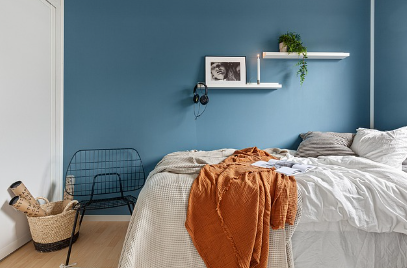
Residential Furniture Design
Comprehensive home furnishing solutions address entire residences or individual rooms through coordinated design approaches ensuring aesthetic continuity while respecting functional distinctions between different living spaces. Living room furniture including sofas, chairs, coffee tables, and media consoles balances comfort, conversation facilitation, and entertainment functionality. Dining furniture accommodates family sizes and entertaining frequency through appropriate table dimensions and seating quantities. Bedroom furniture creates restful retreats through coordinated bed frames, nightstands, dressers, and wardrobes. Home office furniture supports productive work environments through ergonomic desks, storage solutions, and lighting integration. Kitchen furniture supplements cabinetry through islands, breakfast tables, and specialized storage. Entryway furniture makes welcoming first impressions through console tables, coat storage, and seating. Bathroom furniture provides storage and grooming support through vanities and linen cabinets. Outdoor furniture extends living spaces through weather-resistant materials and appropriate construction. Multi-room projects ensure design cohesion through consistent material palettes, proportional relationships, and stylistic language while allowing functional variations appropriate to different activities and spatial characteristics defining diverse areas within residential properties.
Commercial Interior Solutions
Business environments require furniture balancing aesthetic appeal with durability, functionality, and brand expression supporting organizational objectives while withstanding intensive use patterns exceeding residential applications. Office furniture including desks, conference tables, and storage systems optimizes workflow efficiency through appropriate spatial organization and ergonomic considerations supporting employee productivity and wellbeing. Reception furniture creates professional first impressions through statement pieces communicating brand values and organizational culture. Retail furniture including display systems, checkout counters, and seating enhances customer experience while facilitating sales operations. Restaurant furniture balances durability with comfort supporting extended dining experiences while maintaining aesthetic appeal after continuous use and cleaning. Hotel furniture combines residential comfort with commercial durability addressing intensive use and frequent cleaning requirements. Healthcare furniture meets specialized requirements including infection control, accessibility, and patient comfort. Educational furniture supports learning through appropriate sizing, durability, and flexibility accommodating diverse teaching methodologies. Collaborative workspace furniture facilitates teamwork through reconfigurable elements and technology integration. Commercial projects emphasize durability, maintenance ease, and code compliance while achieving design objectives distinguishing spaces from competitors and supporting brand positioning within respective markets.
Built-In Furniture Systems
Integrated furniture solutions maximize spatial efficiency through permanent installations custom-fitted to architectural spaces creating seamless aesthetic integration appearing as original building elements rather than added furniture. Wall-to-wall shelving systems provide extensive storage and display capacity utilizing vertical space often wasted in standard furniture configurations. Window seat installations combine seating with storage while capitalizing on natural light and views. Breakfast nook banquettes maximize dining capacity within compact kitchen spaces. Mudroom systems organize family belongings through dedicated cubbies, hooks, and bench seating. Home office built-ins integrate desks, filing, and shelving within compact footprints. Entertainment centers conceal technology while providing storage and display. Bedroom closet systems optimize clothing storage through customized hanging, shelving, and drawer configurations. Under-stair storage transforms awkward spaces into functional capacity. Alcove utilization creates reading nooks, workspaces, or display areas within architectural recesses. Built-in furniture particularly benefits small spaces, historic properties with unique architectural features, and contemporary designs emphasizing clean minimalist aesthetics through concealed storage and integrated functionality reducing visual clutter while maximizing practical utility within available square footage regardless of spatial constraints or architectural peculiarities.
Specialty Furniture Projects
Unique requirements receive specialized furniture solutions addressing specific functional needs or aesthetic objectives impossible within standard furniture categories. Music room furniture accommodates instrument storage, performance spaces, and acoustic considerations. Art studio furniture provides appropriate work surfaces, material storage, and equipment mounting. Wine cellar furniture including racking systems and tasting areas combines storage with display and enjoyment. Library furniture creates comfortable reading environments with integrated lighting and book storage. Gaming furniture supports hobby activities through appropriate surfaces, storage, and ergonomic seating. Home theater furniture prioritizes viewing comfort and equipment housing. Children furniture balances safety, durability, and growth accommodation. Pet furniture integrates animal needs including feeding stations, sleeping areas, and containment within human living spaces. Collector furniture displays and protects valuable items through appropriate environmental controls and security. Adaptive furniture accommodates disabilities through specialized designs supporting independence and dignity. Specialty projects demonstrate design flexibility addressing diverse human activities and interests through thoughtful problem-solving and creative solutions impossible within standardized furniture offerings designed for generic average users rather than acknowledging meaningful diversity characterizing actual human populations and their varied interests, activities, and requirements defining individual circumstances.
Furniture Redesign Services
Existing furniture receives new life through redesign and modification services transforming pieces no longer meeting aesthetic or functional needs without complete replacement waste. Refinishing updates appearances through new stains, paints, or clear coats refreshing dated finishes while preserving underlying structure. Reupholstery replaces worn fabrics and degraded cushioning with contemporary materials and colors. Structural modifications alter dimensions, add features, or improve functionality adapting furniture to changing needs. Hardware replacement updates aesthetics through contemporary pulls, knobs, and hinges. Repurposing transforms furniture into different functions including converting dressers into bathroom vanities or tables into desks. Component addition includes shelves, drawers, or extensions expanding capacity and utility. Style updating modernizes traditional pieces or adds character to bland furniture through applied moldings, decorative painting, or material additions. Damage repair addresses scratches, dents, and structural issues restoring appearance and function. Heirloom updating balances preservation with functional improvement maintaining sentimental value while adapting furniture to contemporary needs. Redesign services provide economical alternatives to replacement while supporting sustainability through extended furniture life, reduced waste, and continued use of quality pieces merely requiring aesthetic refreshment or functional adaptation rather than disposal and replacement with new furniture.
Design Consultation Process
Collaborative design methodology ensures client visions guide furniture development through structured consultation processes clarifying objectives, exploring possibilities, and refining concepts before construction begins. Initial meetings establish project scope, budget parameters, timeline expectations, and functional requirements creating foundational understanding informing subsequent design development. Space assessment through site visits evaluates architectural context, existing furnishings, lighting conditions, and usage patterns informing appropriate design approaches. Inspiration gathering through imagery, material samples, and style discussions clarifies aesthetic preferences and identifies successful precedents. Conceptual design presents initial proposals through sketches, renderings, and material samples enabling visualization and feedback before detailed development. Design refinement incorporates client input adjusting proportions, details, materials, and finishes achieving consensus regarding final specifications. Technical drawings provide precise documentation enabling accurate pricing and construction execution. Material selection finalizes wood species, finishes, hardware, and upholstery through sample review and specification. Construction oversight monitors progress ensuring quality standards and design intent maintenance. Installation coordination ensures proper placement and final adjustments. Follow-up support addresses questions and provides maintenance guidance. Consultation process transparency builds confidence through clear communication, documented decisions, and collaborative problem-solving creating satisfying experiences resulting in furniture precisely matching expectations rather than disappointing compromises common when purchasing sight-unseen from retail offerings.